Skip to Content Skip to Footer
Indiana WIC logo
  • الرضاعة الطبيعية
    • الرضاعة الطبيعية
      Human Milk Storage Guidelines
    • الرضاعة الطبيعية
      Safe Sleep Breastfeeding
    • الرضاعة الطبيعية
      Breastfeeding Peer Counselor
    • الرضاعة الطبيعية
      الإرضاع بالزجاجة بمعدل سرعة منتظم
    • الرضاعة الطبيعية
      قوانين الرضاعة الطبيعية في ولاية إنديانا
    • الرضاعة الطبيعية
      What is my baby trying to tell me?
    • الرضاعة الطبيعية
      العناية بنفسك بعد فقدان طفلك
  • التغذية والصحة
    • التغذية والصحة
      الحمل
    • التغذية والصحة
      النفاس (ما بعد الولادة)
    • التغذية والصحة
      stay-healthy
    • التغذية والصحة
      الرُّضَّع
    • التغذية والصحة
      الأطفال
    • التغذية والصحة
      الآباء
    • التغذية والصحة
      الأسر
  • موارد WIC
    • موارد WIC
      دليل البرنامج
    • موارد WIC
      أهلية الانضمام إلى برنامج WIC
    • موارد WIC
      تطبيق INWIC
    • موارد WIC
      الدليل المرجعي الموجز لتطبيق INWIC للهاتف المحمول
    • موارد WIC
      دليل بطاقة WIC للتحويل الإلكتروني للمخصصات
    • موارد WIC
      موقع سوق المزارعين
  • Arabic
    • English
    • Spanish
    • Burmese
    • hakha chin
    • Creole

متلازمة الامتناع الوليدي (NAS)

  • Home
  • Neonatal Abstinence Syndrome (NAS)
  • الأسئلة والأجوبة
  • معلومات إضافية

امنحي طفلك بداية صحية

الأسئلة والأجوبة
Dr Mom

مرّري مؤشر الفأرة على المربعات التالية لقراءة الإجابات عن الأسئلة.
Q:A:What is Neonatal Abstinence Syndrome?

When a mom-to-be takes drugs during pregnancy —especially pain killers called opioids or heroin —they can be passed on to the baby. NAS happens when the baby is no longer exposed to the drugs and has withdrawal symptoms after birth.

Q:A:What can I do to prevent NAS?

You can prevent NAS by not taking any drugs during your pregnancy unless recommended by your doctor. If you are taking drugs already, talk to your doctor first before quitting. With certain drugs, quitting too quickly can hurt you and your baby.

Q:A:When do the signs of NAS start?

Usually within three days of birth, but sometimes symptoms may not happen for a few weeks.

Q:A:What are the signs of NAS?
  • Shaking, twitching muscles, seizures.
  • Trouble breathing or breathing fast.
  • Fussiness, a lot of crying, or high-pitched crying.
  • Sweating, fever or blotchy skin.
  • Trouble sleeping, a lot of yawning.
  • Throwing up or diarrhea.
  • Stuffy nose or sneezing.
  • Feeding problems or slow weight gain.
Q:A:What should I do if I think my baby has NAS?

Call your provider or the hospital right away. Your baby might need medicine, fluids or other interventions to help him feel better.

Q:A:What else can I do to help my baby?
  • Keep your baby in a quiet, darkened room.
  • Help your baby feel secure by using a special wrap called a swaddler or a sleep sack to keep him comfortable.
  • Hold your baby skin-to-skin — only in his diaper on bare chest.
  • Feed your baby smaller amounts more often if he is having trouble feeding. If you are concerned about your baby’s feeding, contact his doctor right away.
  • Breastfeed your baby. If you are still using drugs including marijuana, talk with your provider first.
Q:

ما متلازمة الامتناع الوليدي؟

A:
عندما تتناول الحامل المواد المخدِّرة خلال فترة الحمل، لا سيما المسكنات التي تُسمَّى “المسكنات أفيونية المفعول” أو الهيروين، قد تصل تلك الأدوية إلى الجنين. تحدث الإصابة بتلك المتلازمة عندما ينقطع وصول تلك الأدوية المخدرة إلى الجنين، وتظهر عليه أعراض الانسحاب بعد الولادة.
Q:

ما الذي يمكنني فعله لوقاية طفلي من متلازمة الامتناع الوليدي؟

A:
يمكنك وقايته منها بعدم تناول أي مواد مخدِّرة خلال فترة الحمل ما لم يصفها لكِ الطبيب. إذا كنتِ تتناولين بالفعل مواد مخدِّرة، فاستشيري الطبيب أولاً قبل التوقف عن تناولها، فالتسرُّع في التوقف عن تناول مواد مخدِّرة معينة قد يضرك ويضر طفلك.
Q:

متى تظهر أعراض متلازمة الامتناع الوليدي؟

A:
تظهر الأعراض عادةً خلال ثلاثة أيام من الولادة، ولكن قد لا تظهر حتى مرور بضعة أسابيع من الولادة.
Q:

ما أعراضها؟

A:
  • الرجفة، ورعشة العضلات، والنوبات.
  • صعوبة التنفس أو سرعته.
  • سرعة الاهتياج، أو كثرة البكاء أو البكاء بصوت حاد.
  • التعرُّق، أو الحُمى أو ظهور بقع حمراء على الجلد.
  • اضطرابات النوم، وكثرة التثاؤب.
  • القيء أو الإسهال.
  • انسداد الأنف أو العطس.
  • مشكلات في التغذية أو بطء زيادة الوزن.
Q:

ما الذي ينبغي لي فعله إذا ظننت أن طفلي مصاب بمتلازمة الامتناع الوليدي؟

A:
اتصلي بمقدم خدمة الرعاية الصحية المعني بك أو المستشفى في الحال. ربما يحتاج طفلك إلى دواء، أو سوائل أو تدخلات أخرى للمساعدة على تحسين حالته.
Q:

ما الأشياء الأخرى التي يمكنني فعلها لمساعدة طفلي؟

A:
  • أبقي طفلك في غرفة هادئة ومعتمة.
  • ساعدي طفلك على الشعور بالأمان من خلال لفة خاصة تُسمى “القماط” أو من خلال كيس النوم لإشعاره بالراحة.
  • ضمي طفلك إلى صدرك عاريًا، لا يرتدي سوى حفاضته، بحيث تلامس بشرته بشرتك.
  • أطعمي طفلك كميات صغيرة على نحو أكثر تواترًا إذا كان يعاني من صعوبة في التغذية. إذا شعرتِ بالقلق على تغذية طفلك، فاتصلي بالطبيب على الفور.
  • أرضعي طفلك رضاعة طبيعية. إذا كنتِ لا تزالين تستخدمين مواد مخدرة مثل الماريجوانا، فتحدثي أولاً إلى مقدم خدمة الرعاية المعني بك.
Q:

ما متلازمة الامتناع الوليدي؟

A:
عندما تتناول الحامل المواد المخدِّرة خلال فترة الحمل، لا سيما المسكنات التي تُسمَّى “المسكنات أفيونية المفعول” أو الهيروين، قد تصل تلك الأدوية إلى الجنين. تحدث الإصابة بتلك المتلازمة عندما ينقطع وصول تلك الأدوية المخدرة إلى الجنين، وتظهر عليه أعراض الانسحاب بعد الولادة.
Q:

ما الذي يمكنني فعله لوقاية طفلي من متلازمة الامتناع الوليدي؟

A:
يمكنك وقايته منها بعدم تناول أي مواد مخدِّرة خلال فترة الحمل ما لم يصفها لكِ الطبيب. إذا كنتِ تتناولين بالفعل مواد مخدِّرة، فاستشيري الطبيب أولاً قبل التوقف عن تناولها، فالتسرُّع في التوقف عن تناول مواد مخدِّرة معينة قد يضرك ويضر طفلك.
Q:

متى تظهر أعراض متلازمة الامتناع الوليدي؟

A:
تظهر الأعراض عادةً خلال ثلاثة أيام من الولادة، ولكن قد لا تظهر حتى مرور بضعة أسابيع من الولادة.
Q:

ما أعراضها؟

A:
  • الرجفة، ورعشة العضلات، والنوبات.
  • صعوبة التنفس أو سرعته.
  • سرعة الاهتياج، أو كثرة البكاء أو البكاء بصوت حاد.
  • التعرُّق، أو الحُمى أو ظهور بقع حمراء على الجلد.
  • اضطرابات النوم، وكثرة التثاؤب.
  • القيء أو الإسهال..
  • انسداد الأنف أو العطس.
  • مشكلات في التغذية أو بطء زيادة الوزن.
Q:

ما الذي ينبغي لي فعله إذا ظننت أن طفلي مصاب بمتلازمة الامتناع الوليدي؟

A:
اتصلي بمقدم خدمة الرعاية الصحية المعني بك أو المستشفى في الحال. ربما يحتاج طفلك إلى دواء، أو سوائل أو تدخلات أخرى للمساعدة على تحسين حالته.
Q:

ما الأشياء الأخرى التي يمكنني فعلها لمساعدة طفلي؟

A:
  • أبقي طفلك في غرفة هادئة ومعتمة.
  • ساعدي طفلك على الشعور بالأمان من خلال لفة خاصة تُسمى “القماط” أو من خلال كيس النوم لإشعاره بالراحة.
  • ضمي طفلك إلى صدرك عاريًا، لا يرتدي سوى حفاضته، بحيث تلامس بشرته بشرتك.
  • أطعمي طفلك كميات صغيرة على نحو أكثر تواترًا إذا كان يعاني من صعوبة في التغذية. إذا شعرتِ بالقلق على تغذية طفلك، فاتصلي بالطبيب على الفور.
  • أرضعي طفلك رضاعة طبيعية. إذا كنتِ لا تزالين تستخدمين مواد مخدرة مثل الماريجوانا، فتحدثي أولاً إلى مقدم خدمة الرعاية المعني بك.

للمزيد من المعلومات DrMom

NextLevel Recovery Indiana
Indiana Department of Health Overdose Prevention (إدارة إنديانا الصحية للوقاية من الجرعات الزائدة)
Substance Abuse and Mental Health Services Administration (إدارة إساءة استخدام المواد المخدِّرة وخدمات الصحة النفسية)
Pregnancy and Substance Use Treatment Program CHOICE:(برنامج الحمل وعلاج تعاطي المواد المخدرة)
تعمل هذه المؤسسة بمبدأ تكافؤ الفرص.
wic.in.gov
Logo for Indiana WIC, a supplemental nutrition program for women, infants, and children.

تواصل معنا

2 North Meridian Street, 5th Floor  Indianapolis, Indiana 46204
800-522-0874
wic.in.gov

معرفة المزيد

  • طريقة التقديم
  • الأطعمة المعتمدة
  • البحث عن عيادة

الموارد

دعم الرضاعة الطبيعية التابع لبرنامج WIC
  • تطبيق INWIC Android
  • تطبيق INWIC Apple
  • Indiana WIC on Facebook
  • Indiana WIC on Instagram

تعمل هذه المؤسسة بمبدأ تكافؤ الفرص.

Cookie PolicyPrivacy Policy

© Brush Art Corporation

  • Email
  • SMS
If you are using multiple emails, separate them with commas.

    SMS Communication Consent

    ×
    If you are using multiple emails, separate them with commas.

      Communication Preferences

      ×
      Download
      Feed Popup
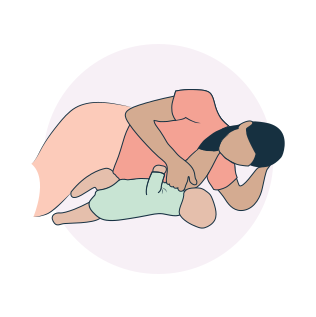
      Side Lying Hold

      Side-Lying Hold

      1. For the right breast, lie on your right side with your baby facing you.
      2. Pull your baby close. Your baby’s mouth should be level with your nipple.
      3. In this position, you can cradle your baby’s back with your left arm and support yourself with your right arm and/or pillows.
      4. Keep loose clothing and bedding away from your baby.
      5. Reverse for the left breast.

      This hold is useful when:

      • You had a C-section
      • You want to rest while baby feeds
      • You are breastfeeding in the middle of the night
      • You and your baby are comfortable in this position
      Cross Cradle Hold

      Cross-Cradle Hold

      1. For the right breast, use your left arm to hold your baby’s head at your right breast and baby’s body toward your left side. A pillow across your lap can help support your left arm.
      2. Gently place your left hand behind your baby’s ears and neck, with your thumb and index finger behind each ear and your palm between baby’s shoulder blades. Turn your baby’s body toward yours so your tummies are touching.
      3. Hold your breast as if you are squeezing a sandwich. To protect your back, avoid leaning down to your baby. Instead, bring your baby to you.
      4. As your baby’s mouth opens, push gently with your left palm on baby’s head to help them latch on. Make sure you keep your fingers out of the way.
      5. Reverse for the left breast.

      This hold is useful when:

      • Your baby is premature
      • Your baby has a weak suck
      • Your baby needs help to stay latched
      • Your baby needs extra head support
      • You and your baby are comfortable in this position
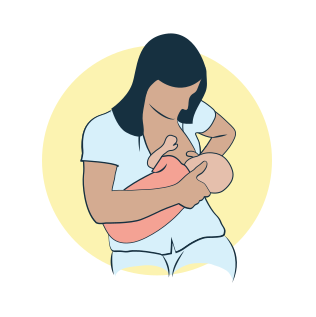
      Football Hold

      Clutch or “Football” Hold

      1. For the right breast, hold your baby level, facing up, at your right side.
      2. Put your baby’s head near your right nipple and support their back and legs under your right arm.
      3. Hold the base of your baby’s head with your right palm. A pillow underneath your right arm can help support your baby’s weight.
      4. To protect your back, avoid leaning down to your baby. Bring baby to you instead.
      5. Reverse for the left breast.

      This hold is useful when:

      • You had a C-section
      • You have large breasts
      • You have flat or inverted nipples
      • You have a strong milk let-down
      • You are breastfeeding twins
      • Your baby likes to feed in an upright position
      • Your baby has reflux
      • You and your baby are comfortable in this position
      Breastfeeding Holds

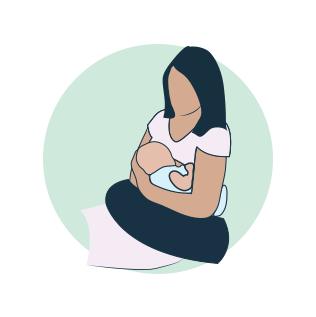
      Cradle Hold

      1. For the right breast, cradle your baby with your right arm. Your baby will be on their left side across your lap, facing you at nipple level.
      2. Your baby’s head will rest on your right forearm with your baby’s back along your inner arm and palm.
      3. Turn your baby’s tummy toward your tummy. Your left hand is free to support your breast, if needed. Pillows can help support your arm and elbow.
      4. To protect your back, avoid leaning down to your baby. Instead, bring your baby to you.
      5. Reverse for the left breast.

      This hold is useful when:

      • Your baby needs help latching on
      • You and your baby are comfortable in this position
      Breastfeeding Holds

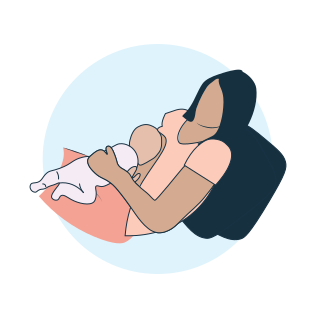
      Laid-Back Hold

      1. Lean back on a pillow with your baby’s tummy touching yours and their head at breast level. Some moms find that sitting up nearly straight works well. Others prefer to lean back and lie almost flat.
      2. You can place your baby’s cheek near your breast, or you may want to use one hand to hold your breast near your baby. It’s up to you and what you think feels best.
      3. Your baby will naturally find your nipple, latch, and begin to suckle.

      This hold is useful when:

      • Your baby is placed on your chest right after birth
      • You have a strong milk let-down
      • You have large breasts
      • You and your baby are comfortable in this position